Responsible Mineral Nutrition
Caitlin Palmer, Harbro Dairy Nutritionist

Caitlin Palmer, Harbro Dairy Nutritionist
Oversupply of trace elements and major minerals is still an issue on UK dairy farms, and this can be just as detrimental to health and performance as undersupply. More is not always better. To be the most profitable and efficient, optimising rumen health and performance is key, and responsible mineral nutrition is a part of that.
In 2022, Harbro removed copper sulphate and zinc sulphate from all powdered ruminant minerals. Recent scientific studies have shown these sources can have a negative impact on the rumen microbes, meaning fibre digestion may not be as good as it could be. We replaced them with more available, less reactive forms of copper and zinc meaning less needs to be added in the first place.
Global volatility has pushed up the cost of key minerals and vitamins such as phosphorus, magnesium and vitamin E in the last couple of months. With milk price not recovering as quickly as hoped, oversupplying is an avoidable cost. On the other hand, undersupplying risks the health and performance of the animals. The goal is optimal supply and it’s precisely why a mineral audit is so valuable.
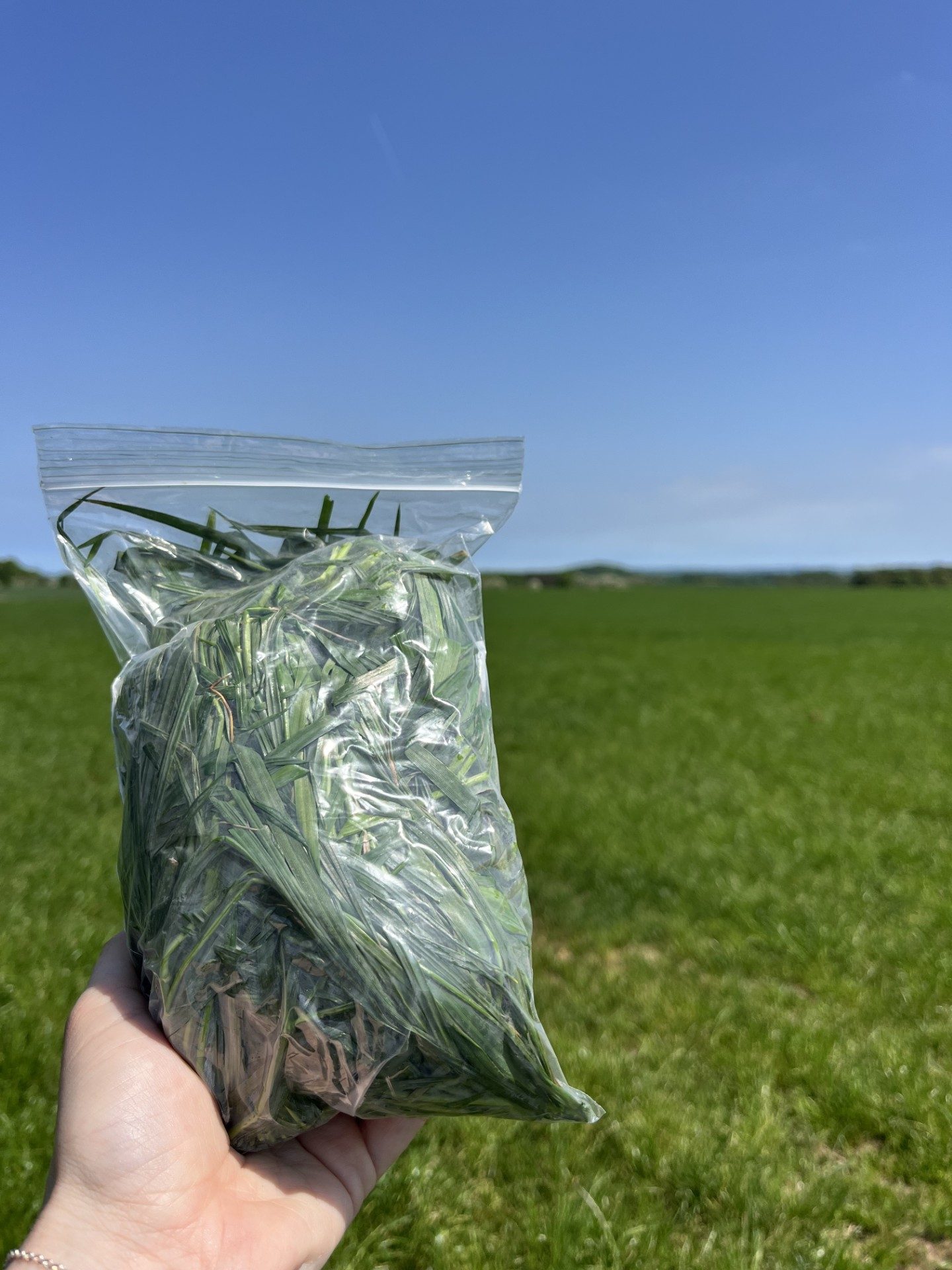
A mineral audit involves your Harbro Dairy Specialist visiting the farm, taking forage samples for mineral analysis and speaking with you to gain an understanding of all the minerals inputs including blends, compounds, raw materials, boluses and supplements.
All raw materials and forages vary in terms of their supply, for example, palm kernel has 6 times the level of copper than barley. Forage mineral analyses allow us to understand if there will likely be any issues with antagonism. It’s key to gain this full understanding as it enables us to be as accurate as possible when we’re looking at the current supply and then formulating a tailored mineral to suit the herd needs and goals.
Your Harbro Dairy Specialist will discuss any issues or concerns such as fertility, high SCC or dry cow-specific issues such as milk fevers. We can then take these into account when reviewing and formulating a mineral.
We will come back and discuss the findings, highlighting the positives as well as any areas for improvement then provide options for next steps.
• Confidence that your cows are receiving the optimal supply of
minerals and vitamins
• Maximised animal health, productivity and profitability
• Less waste
• Potential to lower cost
• Reduced environmental impact through reduced mineral excretion
• Opportunity to improve rumen function and fibre digestion
If you haven’t reviewed minerals on your farm recently, now is the time.